


U.S. State Flags Knowledge Base
Discover the history, meanings, and cultural significance of the United States and state flags. Explore symbolism, origins, and unique stories behind every flag.
Explore by Category
State Flags Directory
| State | Flag | Meaning | Timeline |
|---|---|---|---|
| United States (US) |  | Stars represent states; stripes honor original 13 colonies. | 1777 → 1818 → present (stars added as states join) |
| California (CA) |  | Grizzly bear and star symbolize strength and sovereignty. | 1846 → 1911 → present (Bear Flag officially standardized) |
| Alabama (AL) | 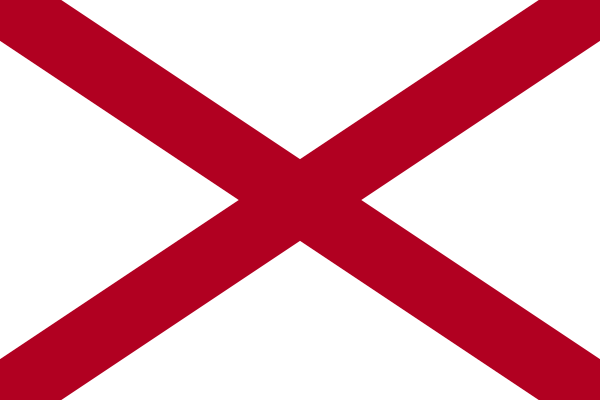 | Crimson cross recalls the Confederate battle emblem. | 1861 → 1895 → present (current design adopted) |
| New Mexico (NM) | 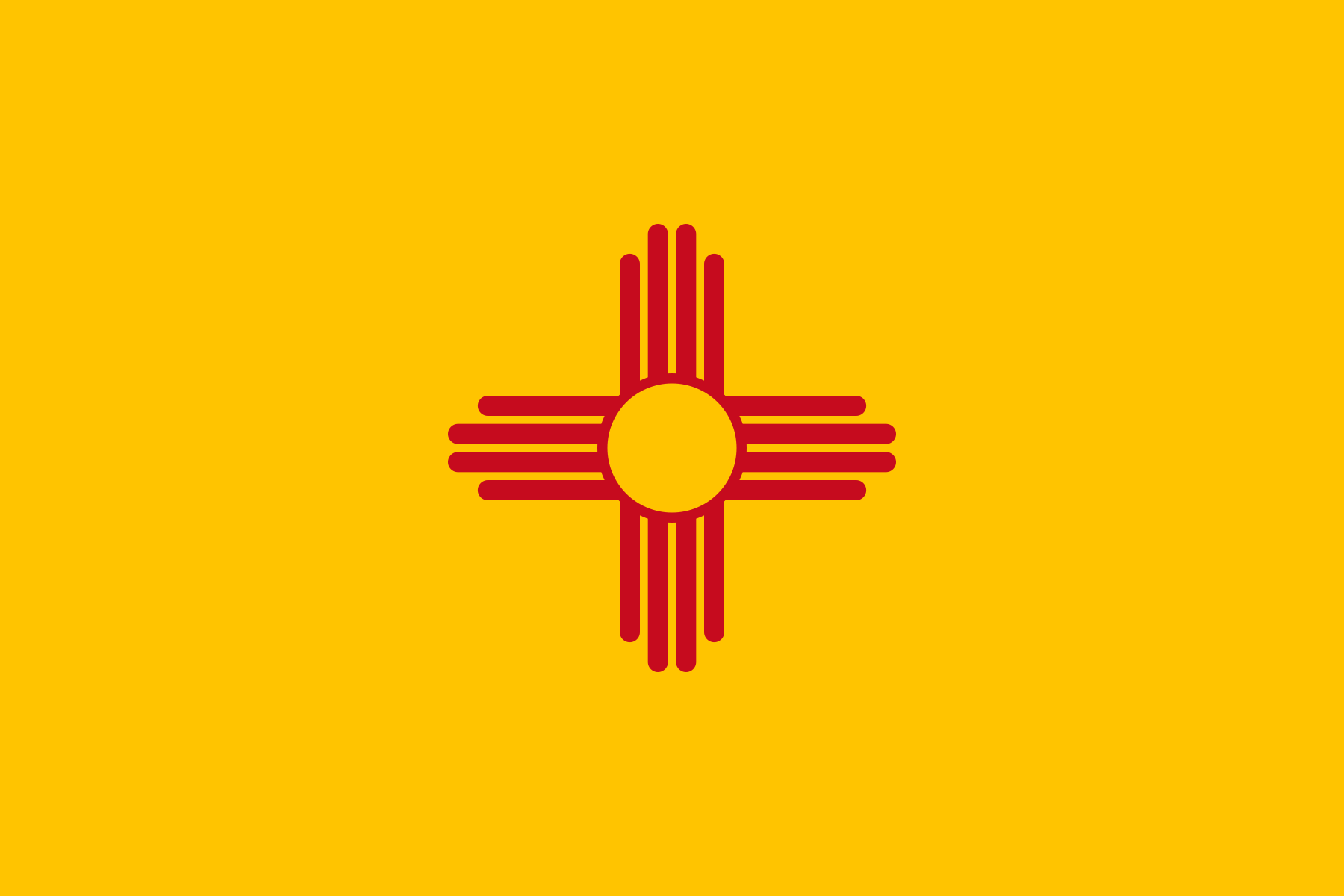 | Zia sun symbol reflects harmony of life’s four directions. | 1912 → 1925 → present (Zia symbol standardized) |
| Colorado (CO) | 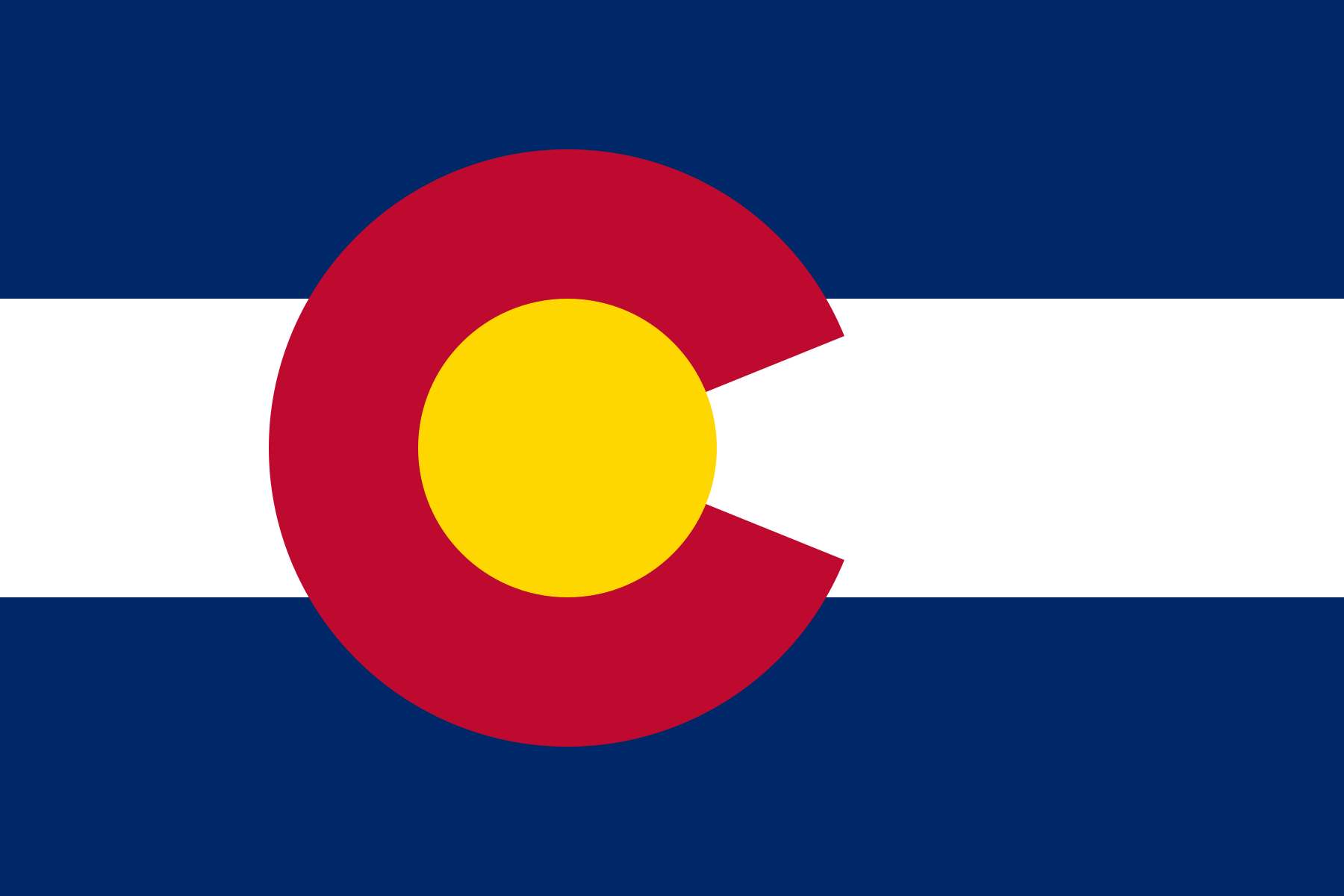 | Red “C” with golden disk stands for sunshine and land. | 1876 → 1911 → present (modern state flag) |
| Georgia (GA) | 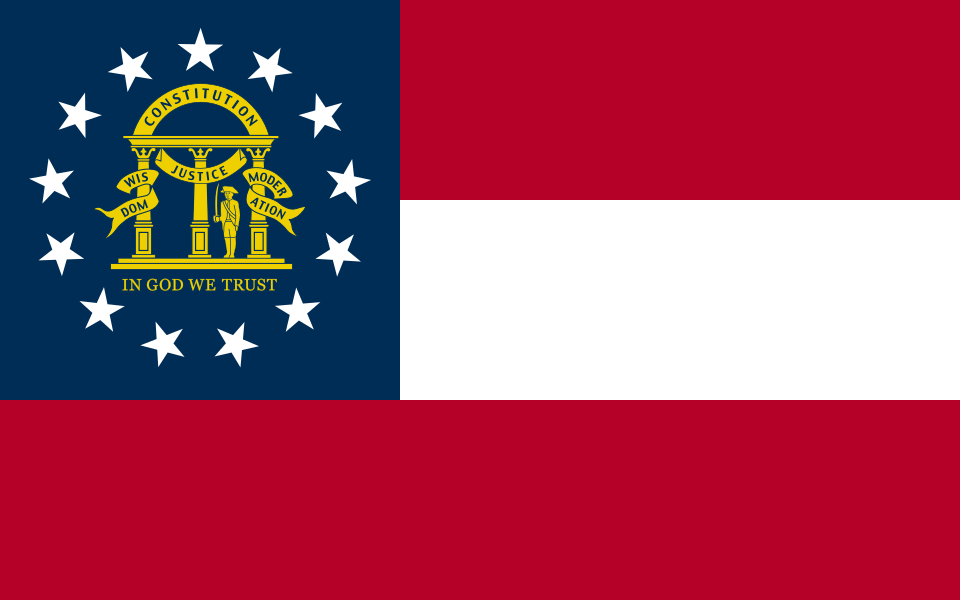 | Thirteen stars symbolize state’s unity in the Union. | 1879 → 1906 → 2003 → present (State flag modernized) |
| Texas (TX) |  | Lone star honors Texas independence and unity. | 1836 → 1845 → present (Lone Star flag adopted) |
| Ohio (OH) | 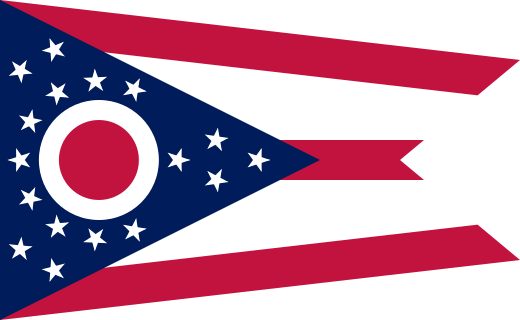 | Unique swallowtail design reflects waterways and strength. | 1803 → 1902 → present (non-rectangular flag) |
| Indiana (IN) |  | Torch of liberty with stars for enlightenment and unity. | 1816 → 1917 → present (centennial design) |
| Tennessee (TN) | 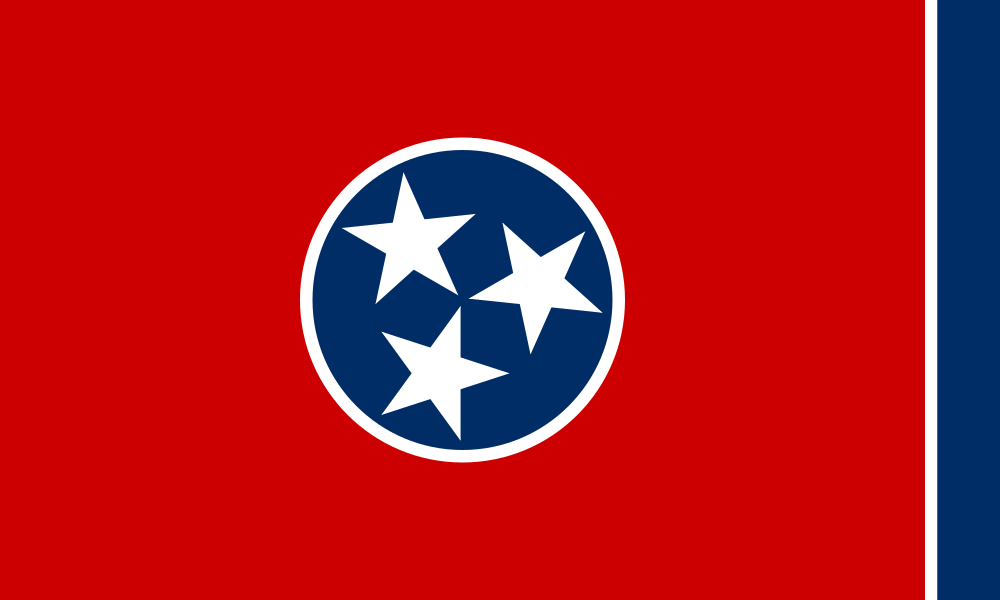 | Three stars for the three grand divisions of Tennessee. | 1796 → 1905 → present (tristar symbol) |
| Alaska (AK) |  | Big Dipper and North Star symbolize Alaska’s night sky. | 1917 → 1927 → present (Big Dipper design adopted) |
| Arizona (AZ) |  | Sun rays and copper star honor natural resources. | 1863 → 1917 → present (Western sunburst design) |
| Arkansas (AR) |  | Stars denote U.S. entry and Confederate heritage. | 1913 → 1924 → present (stars updated) |
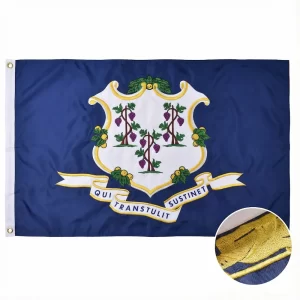
| Connecticut (CT) | 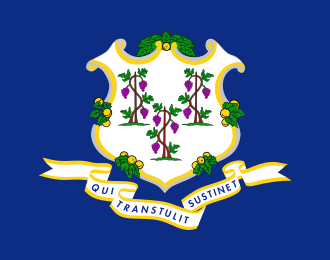 | Vineyard vines signify growth and prosperity. | 1639 → 1897 → present (seal formalized) |
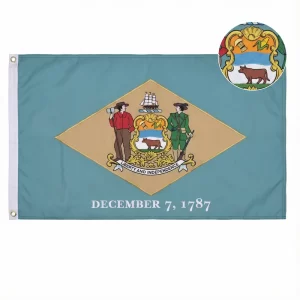
| Delaware (DE) | 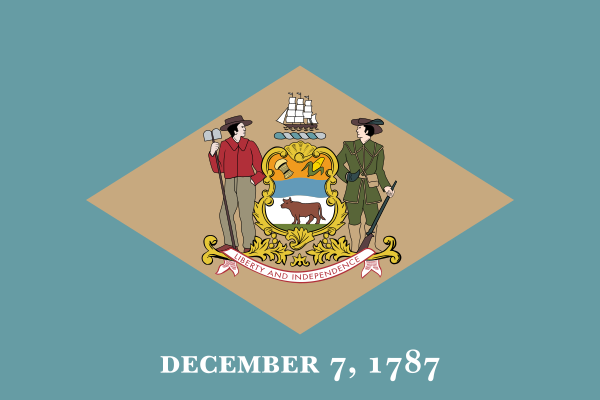 | Colonial colors and coat of arms honor first statehood. | 1776 → 1913 → present (buff blue adopted) | Florida (FL) |  | Red cross with seal represents heritage. | 1845 → 1900 → present (saltire added) |
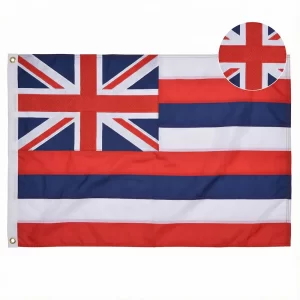
| Hawaii (HI) |  | Union Jack with stripes recalls island history. | 1816 → 1845 → present (royal flag retained) |
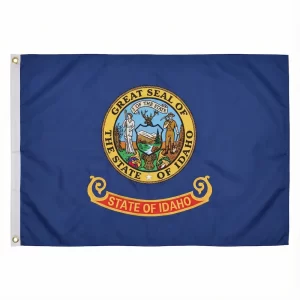
| Idaho (ID) | 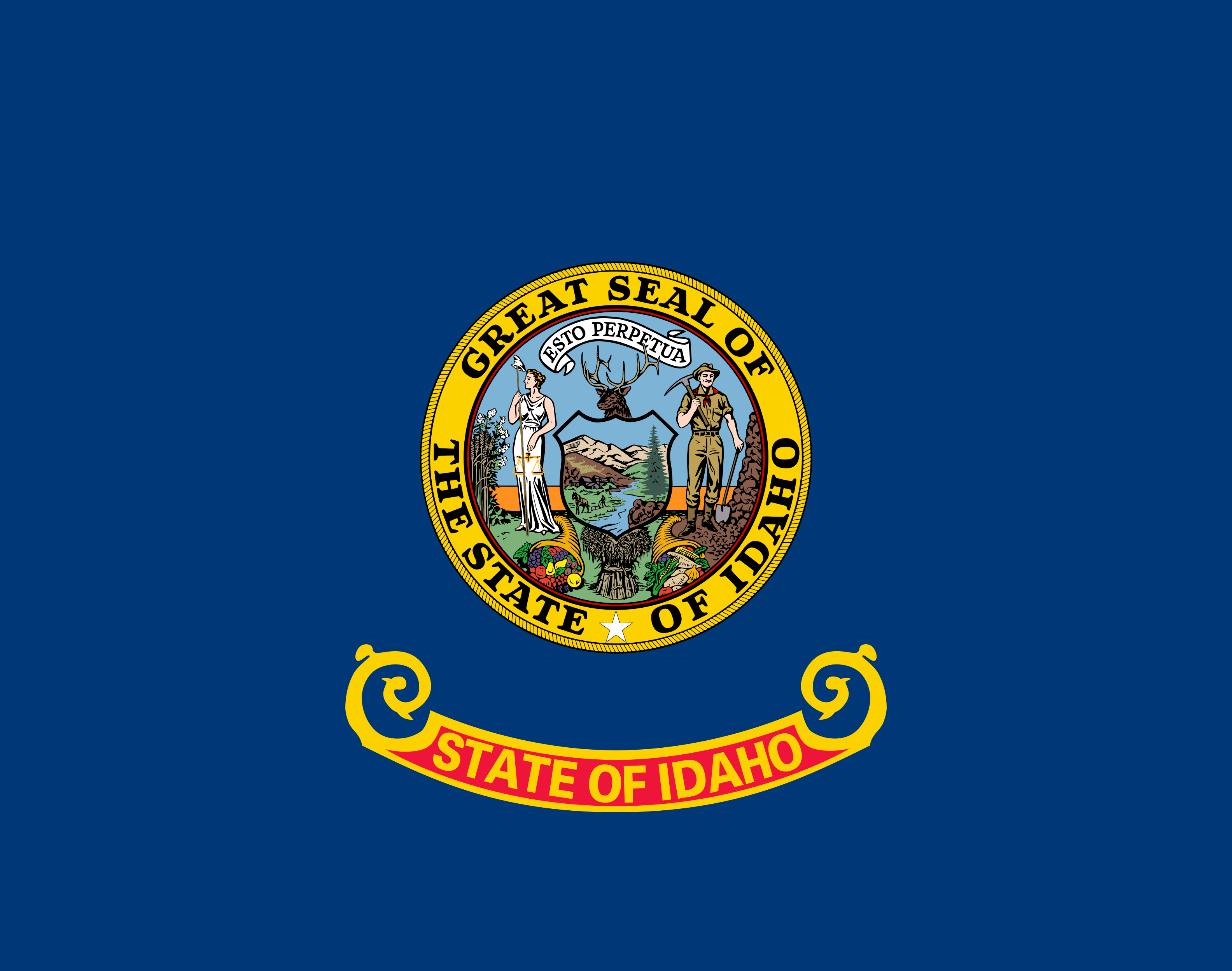 | State seal represents resources and independence. | 1863 → 1907 → present (seal on blue field) |
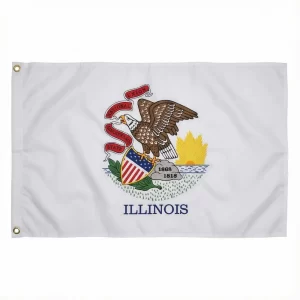
| Illinois (IL) | 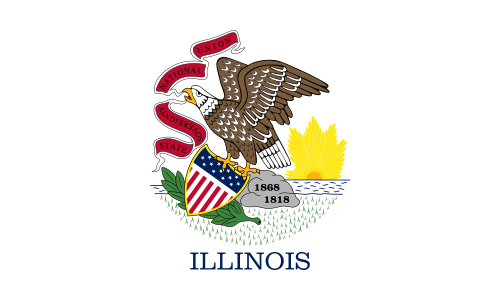 | Bald eagle and motto symbolize state sovereignty. | 1868 → 1915 → present (eagle redesign) |
| Iowa (IA) |  | Eagle and ribbons represent liberty and loyalty. | 1846 → 1921 → present (tricolor adopted) |
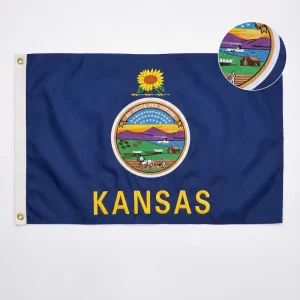
| Kansas (KS) |  | Seal depicts pioneer life and agriculture. | 1861 → 1927 → present (seal-centered flag) |
| Kentucky (KY) |  | Seal shows unity and frontier spirit. | 1792 → 1918 → present (state seal flag) |
| Louisiana (LA) |  | Pelican feeding young symbolizes sacrifice and care. | 1861 → 1912 → present (pelican standardized) |
| Maine (ME) | 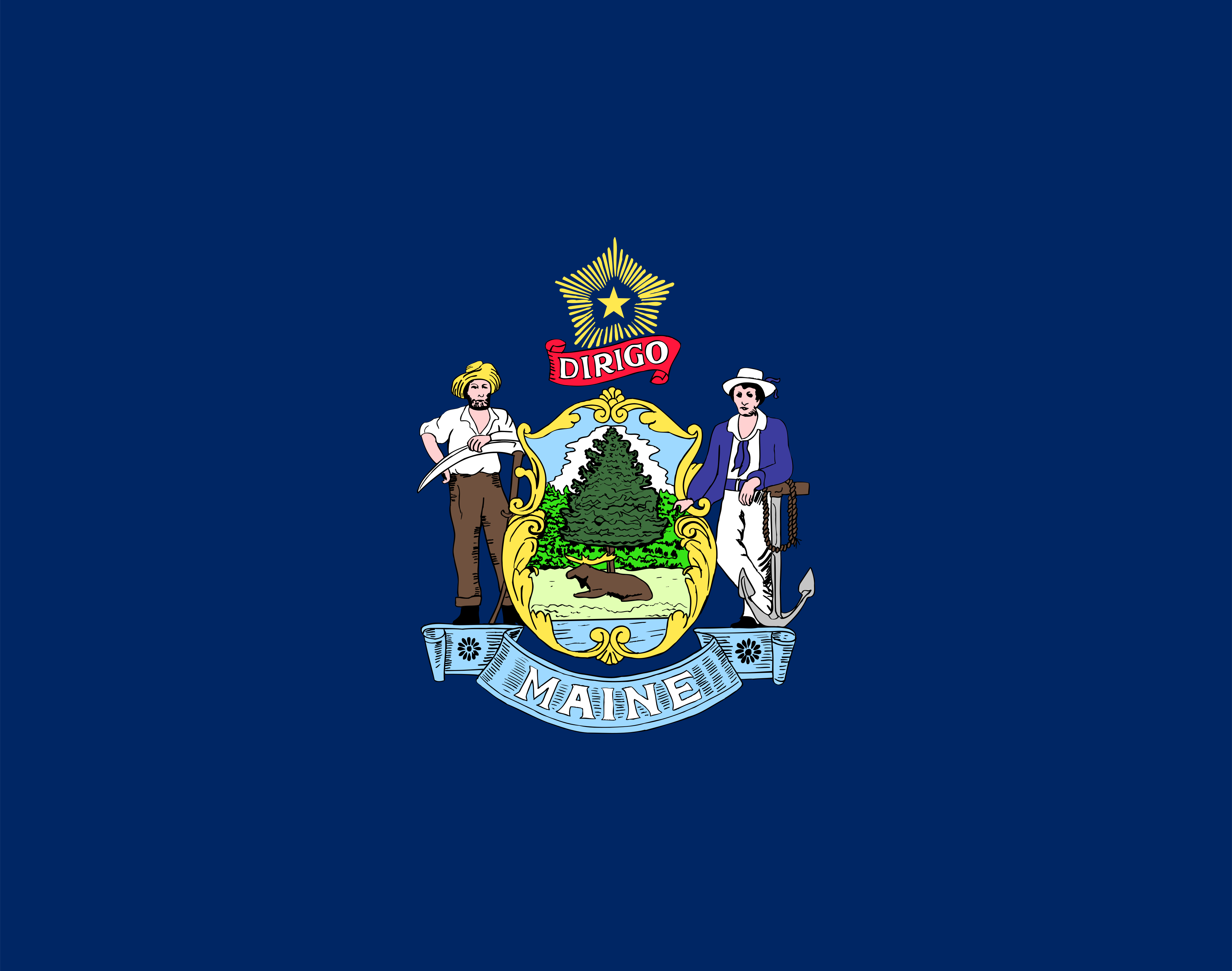 | Coat of arms reflects wilderness and labor. | 1901 → 1909 → present (seal-based flag) |
| Maryland (MD) |  | Calvert and Crossland heraldic colors. | 1634 → 1904 → present (heraldry unified) |
| Massachusetts (MA) |  | Native warrior and star for statehood. | 1775 → 1908 → present (state emblem set) |
| Michigan (MI) | 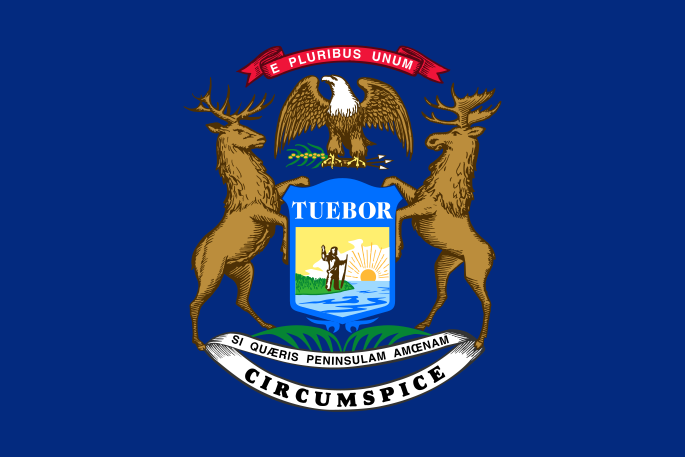 | Latin mottoes stress strength and peace. | 1837 → 1911 → present (coat of arms flag) |
| Minnesota (MN) | 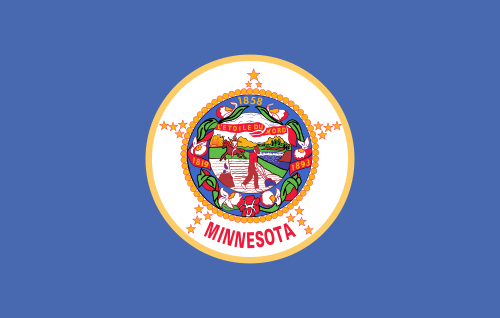 | Seal depicts pioneer and natural resources. | 1858 → 1893 → present (seal-centered design) |
| Mississippi (MS) |  | Magnolia blossom represents hospitality. | 1894 → 2021 → present (new magnolia flag) |
| Missouri (MO) | 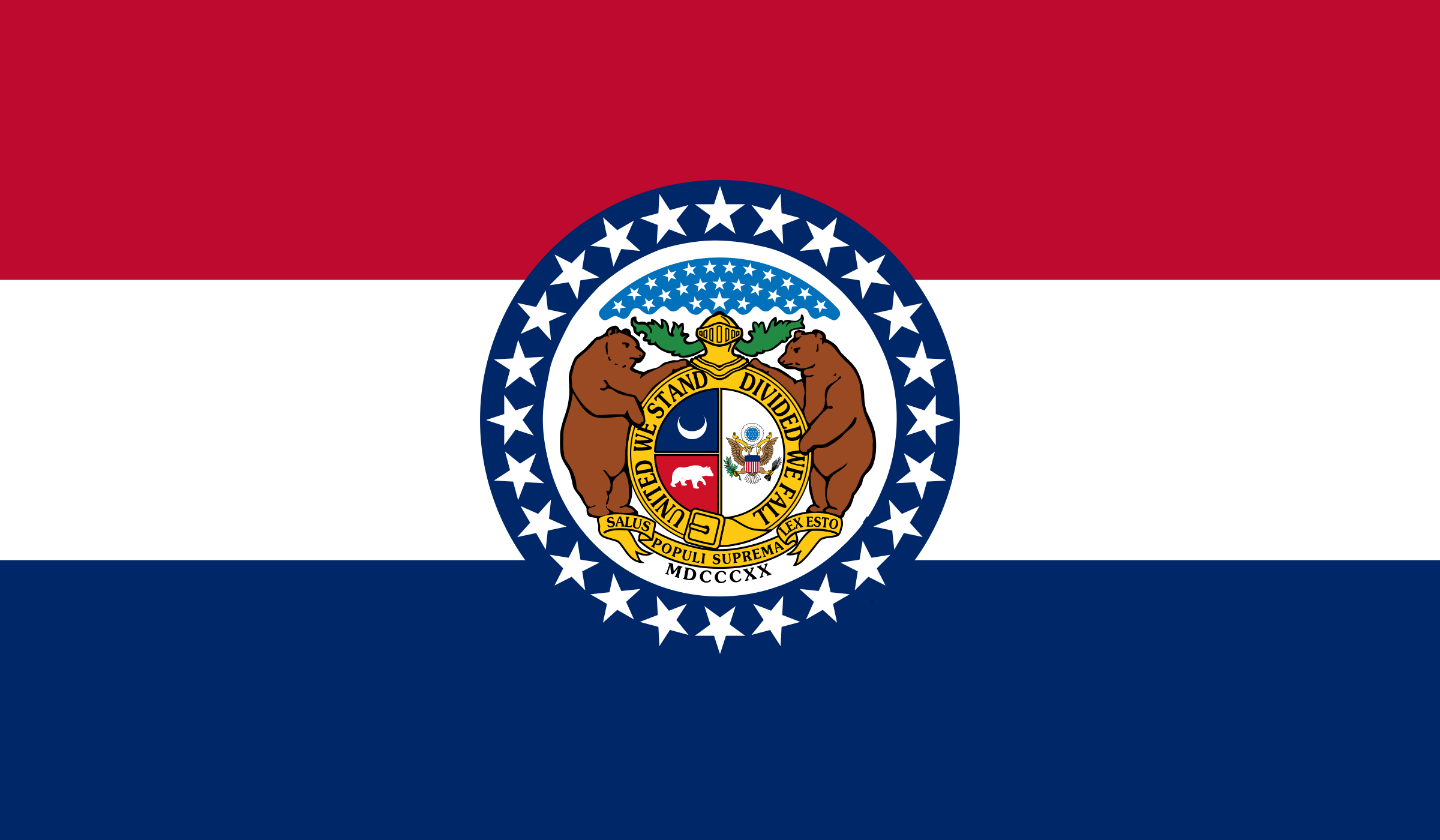 | Stars and seal signify state sovereignty. | 1821 → 1913 → present (tricolor adopted) |
| Montana (MT) |  | Seal shows mining and agriculture heritage. | 1889 → 1905 → present (state seal flag) |
| Nebraska (NE) |  | Seal depicts industry and natural beauty. | 1867 → 1925 → present (blue field flag) |
| Nevada (NV) |  | Sagebrush and star highlight Silver State identity. | 1905 → 1929 → present (Silver State emblem) |
| New Hampshire (NH) | 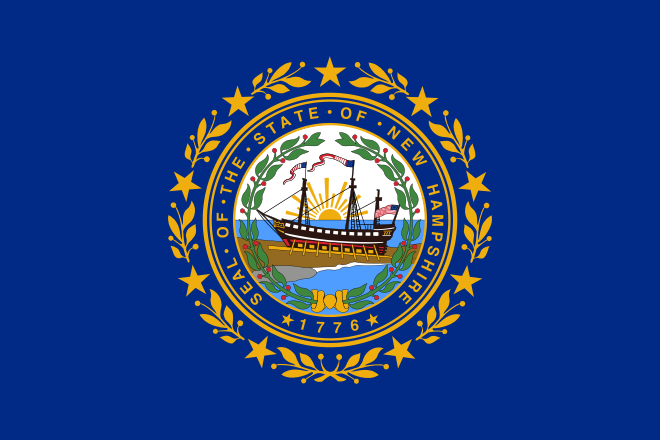 | Ship and laurel show independence and victory. | 1776 → 1909 → present (state seal flag) |
| New Jersey (NJ) | 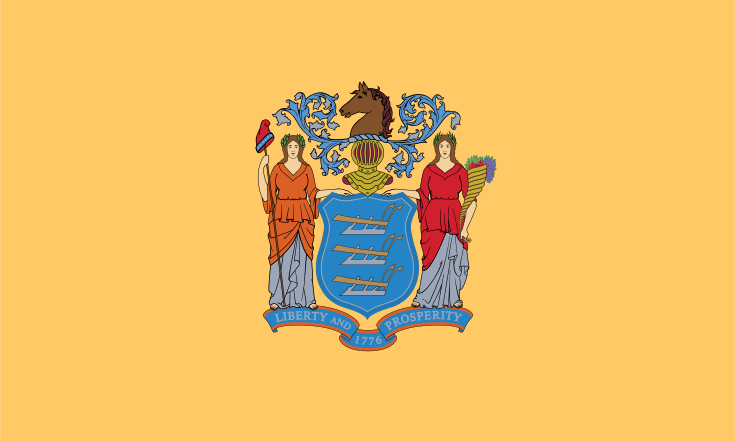 | Seal honors agriculture and liberty. | 1777 → 1896 → present (buff background) |
| New York (NY) |  | Liberty and Justice flank state shield. | 1778 → 1896 → present (seal on blue field) |
| North Carolina (NC) |  | Dates highlight independence and Union entry. | 1775 → 1861 → 1885 → present (Historic dates formalized) |
| North Dakota (ND) |  | Eagle and shield reflect U.S. loyalty. | 1889 → 1911 → present (regimental banner) |
| Oklahoma (OK) | 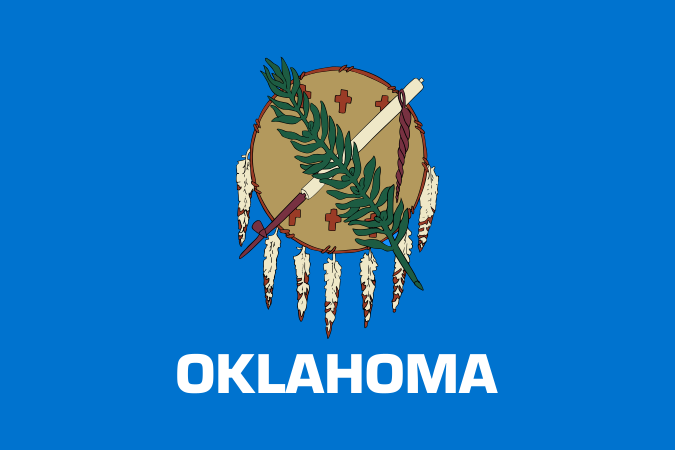 | Osage shield and olive branch show peace. | 1907 → 1925 → present (native symbolism) |
| Oregon (OR) |  | Double-sided design with state seal and beaver. | 1859 → 1925 → present (double-sided flag) |
| Pennsylvania (PA) |  | Coat of arms symbolizes prosperity. | 1776 → 1907 → present (state coat of arms) |
| Rhode Island (RI) | 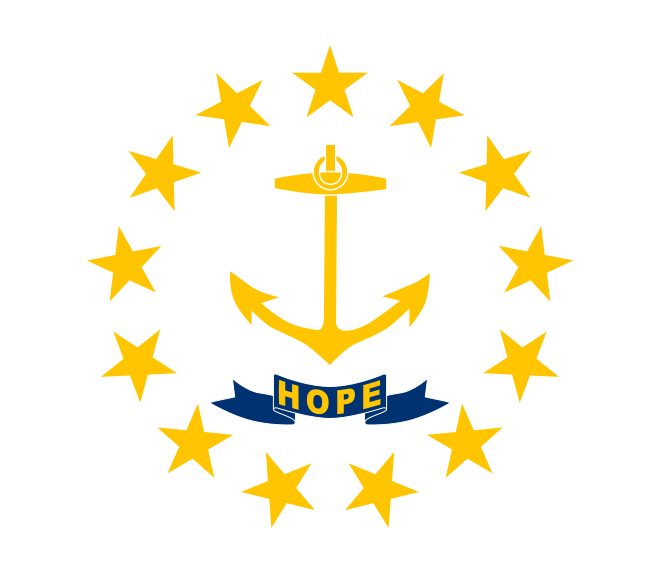 | Anchor and “Hope” motto express faith. | 1644 → 1897 → present (anchor emblem) |
| South Carolina (SC) | 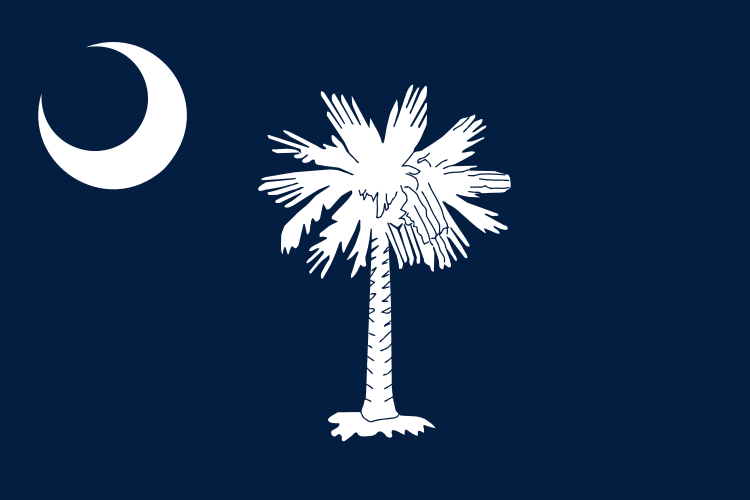 | Palmetto tree and crescent signify resilience. | 1775 → 1861 → present (palmetto flag) |
| South Dakota (SD) | 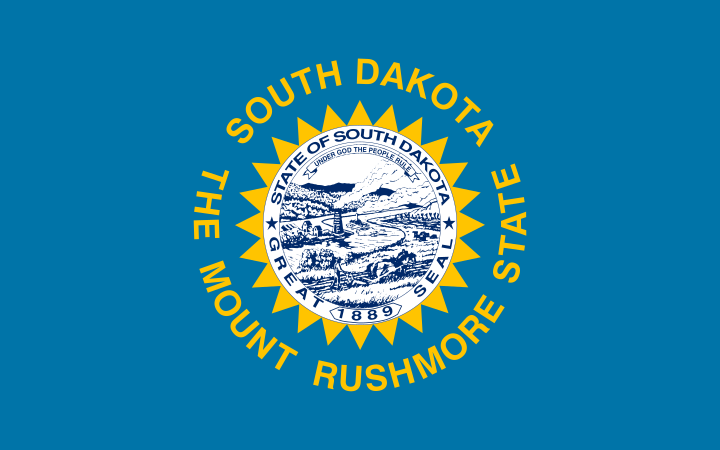 | Sun and seal denote state resources. | 1889 → 1963 → present (seal redesign) |
| Vermont (VT) |  | Coat of arms honors mountains and freedom. | 1777 → 1923 → present (green mountain state) | Virginia (VA) |  | Virtus defeating tyranny represents liberty. | 1776 → 1861 → present (seal-based flag) |
| Washington (WA) |  | George Washington portrait symbolizes heritage. | 1889 → 1923 → present (only state portrait flag) |
| West Virginia (WV) |  | Coat of arms emphasizes liberty and farming. | 1863 → 1905 → present (state seal flag) |
| Wisconsin (WI) |  | Seal represents industry and resources. | 1848 → 1913 → present (seal and year added) |
| Wyoming (WY) | 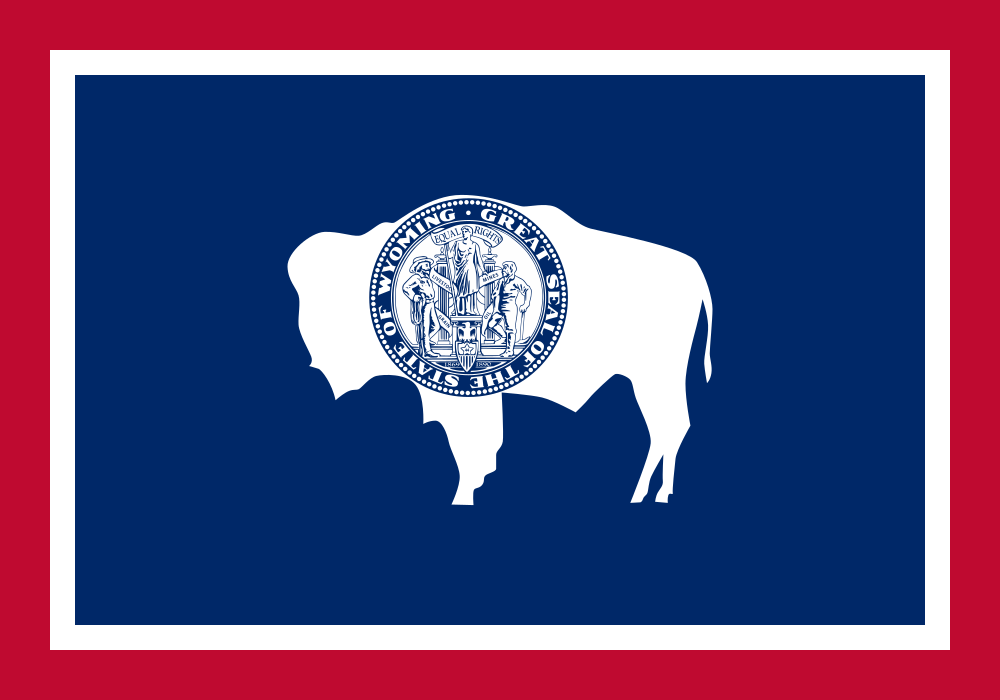 | Bison silhouette honors wildlife heritage. | 1890 → 1917 → present (bison emblem added) |
Frequently Asked Questions
The 50 stars represent the 50 states of the United States. Each star corresponds to one state.
The flag of Texas is among the oldest, officially adopted in 1839, though some states had unofficial banners earlier.
Each state flag reflects its unique history, culture, and values, serving as a symbol of state pride and identity.